A fight for within, from without
Keeping Tibet alive in diaspora
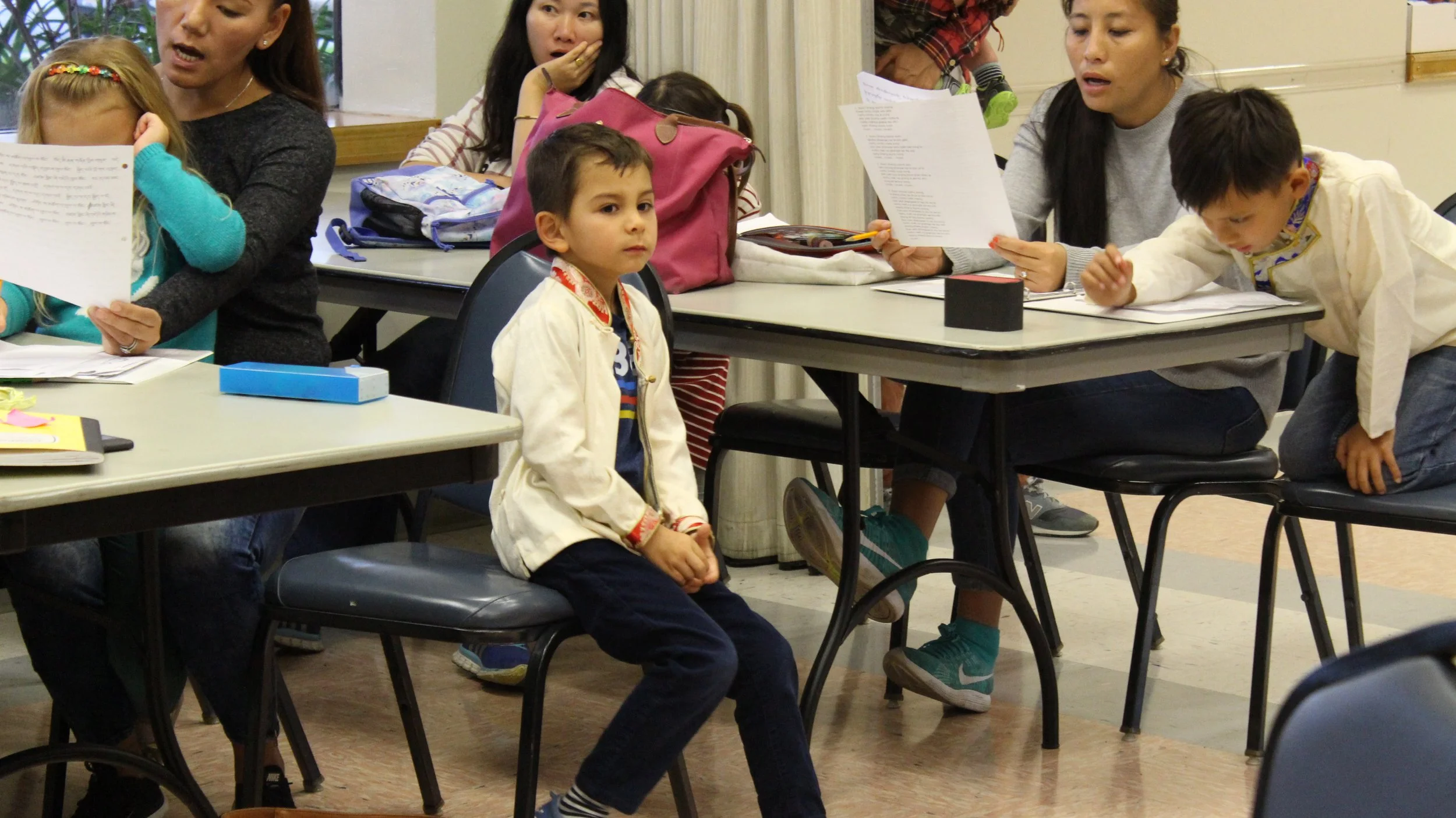
Tibetan Association of Southern California Sunday School at the Culver City Community Hall, Los Angeles. What does it mean to be a citizen of a country that you can no longer spot on a map?
As a graduate student, I spent six months in Los Angeles covering the Tibetan diaspora. I had the chance to speak to those who had lived in both countries, those who fled Tibet, sometimes on foot, others who had never set foot in Tibet, their home country, and the young ones who had only ever seen America. I wanted to understand how they perceived themselves.
Having met a lot of the diaspora from an early age elsewhere, I had always been interested in how (and for how long) the identity of belonging could be held together. I learnt about what are called ‘imagined communities’. I worked on this quite a bit and also penned a 10,000-word thesis on the Tibetan diaspora, in case you want to read that; I would only mildly recommend.
This story covers a ‘Tibetan School’, an attempt at keeping the language and culture alive.
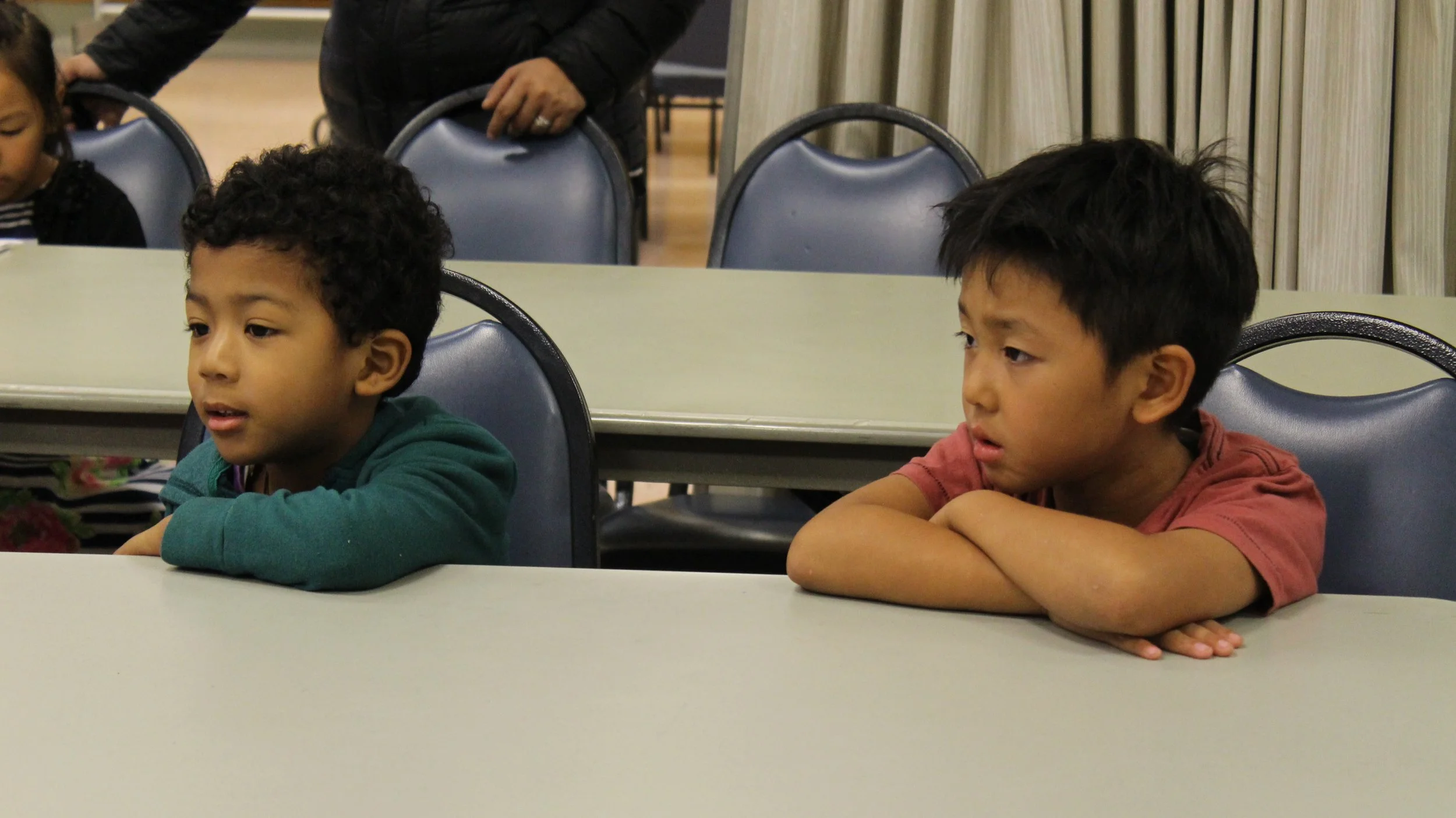
Every Sunday, two adjoining classrooms in a Culver City community hall are rented for a Sunday school. A group of children aged 4 to 14, some enthusiastic, some reluctant, and most energetically distracted, are huddled in for a two-hour language course: a language that can be propagated with more freedom thousands of miles away in a South California county than it can be in their homeland, Tibet.
Among recent debates around immigration under the Trump administration and the imminent end to the Deferred Action for Childhood Arrivals (DACA), there has been much contention about diasporas and settled migrants. But the Tibetan community is a unique case of a small, stateless and little-noticed diaspora keeping alive its culture not just for preservation, but also for a cause.
Organised by the Tibetan Association of Southern California (TASC), the Sunday school is part of an effort in the organisation’s agenda of preserving and promoting Tibetan identity, language and culture while simultaneously continuing the struggle for freedom and human rights in their homeland.
Tenzin Chonden, the president of the association, described the two goals as intertwined. Chonden said that the repression of religious and cultural freedom in present-day Tibet made preservation of the culture in the diaspora a way of fighting against its forceful loss more than 65 years ago.
“Inside Tibet, they don’t have the opportunity to learn their own language,” Chonden said. “There is no freedom of religion or freedom of assembly. Our goal is to raise awareness and ask people to support [the cause]. The ones that are free have an obligation to speak out for those that don’t have that freedom.”
Human Rights Watch, which is based in New York, has reported that within the Occupied Tibetan Autonomous Region, there are extreme violations of basic human and political rights. Ever since the occupation of the Tibetan plateau in the 1950s, there has been a continuing dispersion of the Tibetan population to other countries. These Tibetans regard themselves as being “in exile”, and they now have a democratically elected government also functioning in exile. In 1992, an initiative by the U.S. government arranged for the migration of more than 1,000 Tibetans to the United States, although some found a home in Southern California even before that.
Though existing in some form for a decade earlier, the Tibetan Association of Southern California was officially established in 1993. Today, it has 280 active members, most of whom are Tibetan Americans residing between San Francisco and San Diego. The organisation organises yearly community events like celebrations of Tibetan festivals and hosts the president and spiritual leader, the Dalai Lama.
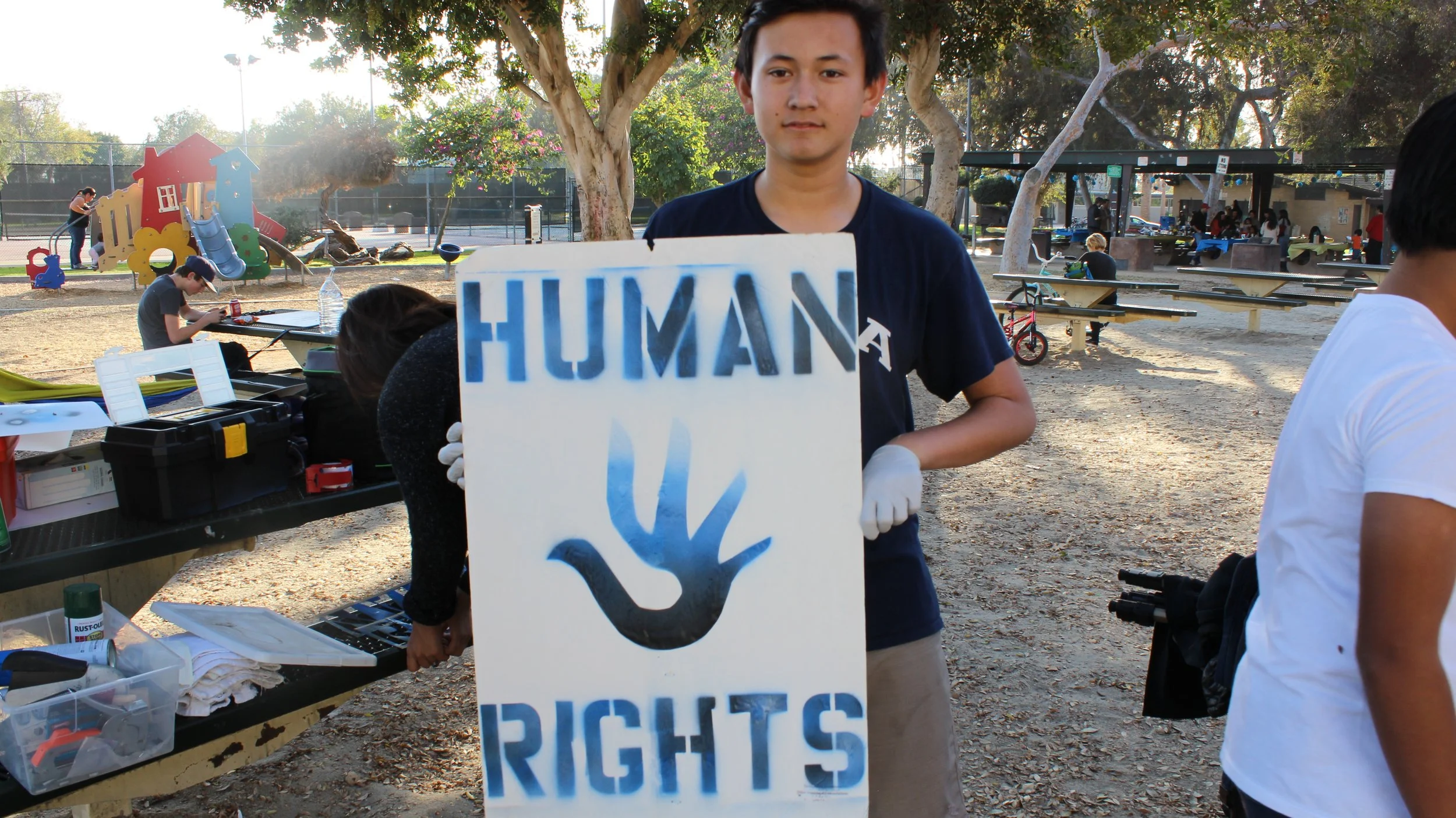
They have also organised vigils and conferences to promote the Tibetan cause; the most recent were human rights conferences in coalition with the advocates fighting human rights violations in Vietnam.
Chonden, an engineer by profession, arrived in Long Beach, California, in 1983 and has been a part of the organisation since its conception. He now resides in Westminster with his wife and two kids, both of whom attend Sunday school.
“My daughter is already, at age 7, starting to realise what Tibetan means."
For him, early exposure to Tibetan culture for his children is paramount in creating their identity. “My daughter is already [at age 7] starting to realise what Tibetan means,” he said.
The Sunday school, which started about a decade ago, is the primary ongoing endeavour for achieving the goal of preserving the cause of Tibetan independence and identity for the next generation. Taught by volunteers, the school uses textbooks designed and distributed by the Tibetan Government in Exile and teaches Tibetan as a second language.
Now 14, Wheydon Dhamcho has attended the school since its conception and is its oldest student. While speaking and dressing as any other American high school student, he attributes his strong sense of being Tibetan to his experience with the community.
“There’s a deeper meaning to why we’re coming to Sunday school. As the children get older, as I did, they’ll understand the importance and motivation, and get passionate about it. I’m proud of being Tibetan.”
“At first I wasn’t so serious, but now I’m taking it much more seriously, the importance of keeping the culture rich and… what China is doing to really try to abolish all of the Tibetan culture,” he said. “Now I understand that it’s far more important than that, and there’s a deeper meaning to why we’re coming to Sunday school. That really helps in my motivation to keep coming.”
“I think what separates the people in this is the dedication and motivation” he said, adding that “as [the children] get older, as I did, they’ll understand the importance and motivation, and get passionate about it. I’m proud of being Tibetan.”
Wheydon’s mother, Pema, spoke of the importance of the organisation in providing a sense of community in the lives of the Tibetan diaspora. “To tell the truth, we are all assimilated into the American culture and the lifestyle,” she said. “However, we are trying to preserve our identity. A set of values, ethics and morals is all a part of our cultural identity and is the main reason why we emphasise it with our kids.”
For Pema and her family, any typical Sunday is spent at the school. After the lessons, the children run around the park, the fathers play basketball, and the mothers gather with their packed picnics.