THE INK DROP IN WATER
The power of opinions in the emergence of social media
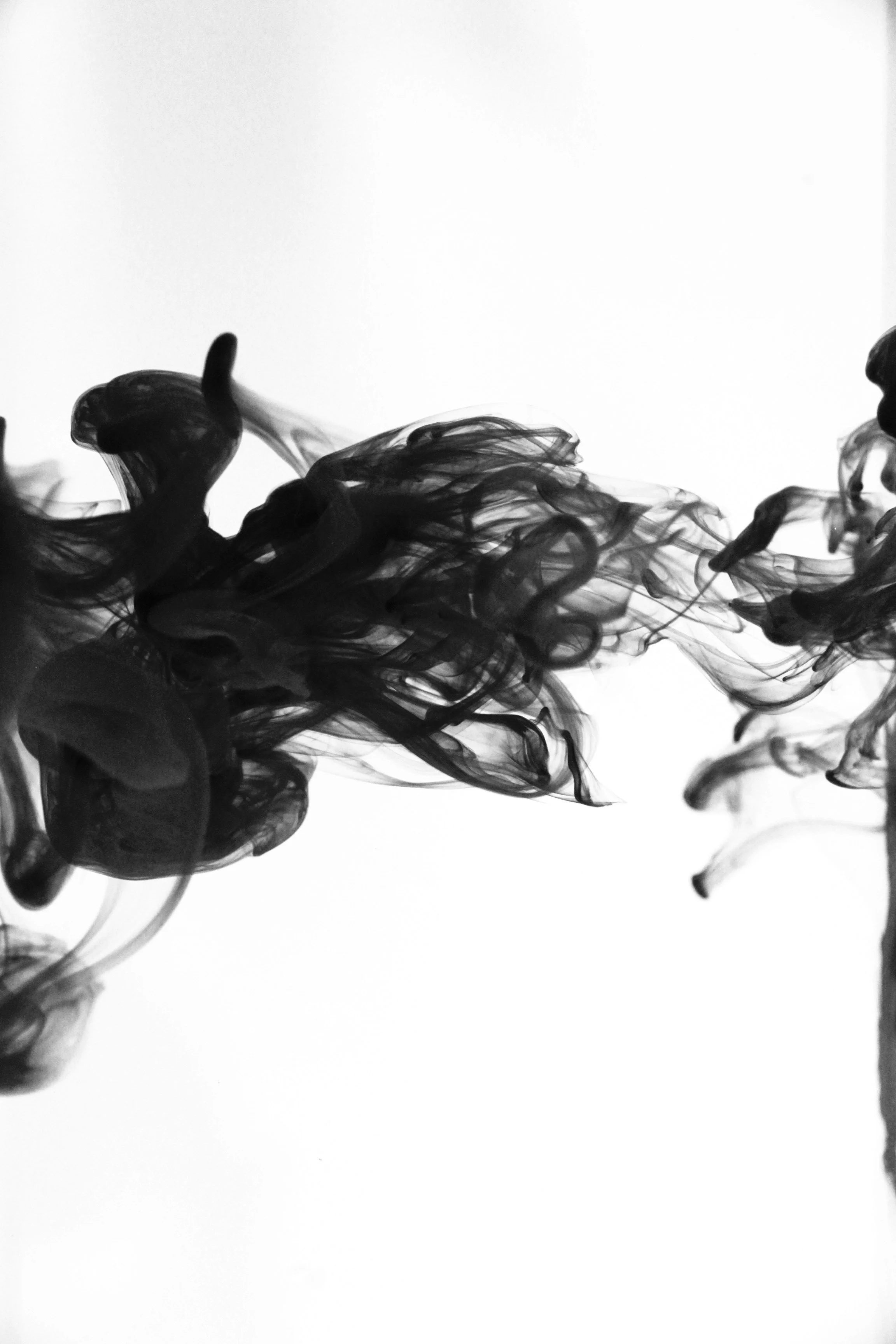
Image: Katrin HaufCirca 2014. For a uni mag, a rushed job – but I liked the idea behind it. Social media was emerging. A shadow of what it is today. All of a sudden, however, it seemed like a single passing thought that anyone, anywhere, opinionated could reach millions. Much like an ink drop in water.
An opinion is not just a mere thought, a notion, a conviction, or an ideal, but the convergence of all of these. What we know, how we feel and what we need to say find expression. However, our expression, when perceived by another, adds to what they know, how they feel and what they need to say. We are all susceptible to certain levels of social influence. And this social influence undoubtedly finds its zenith in today’s social media.
Ever since the onset of the new millennium, we have entered what has come to be named the Digital Age. Information and communication find their home in the virtual world, spread across the globe, where social media is the predominant avenue. Internet forums, weblogs, social blogs, microblogging, wikis, social networks, podcasts, photographs, videos and social bookmarking are all new platforms that have, with their promptness and immediacy, antiquated their predecessors and have fused into our lives. We ‘Facebook’ the person we met at last night’s party, ‘tweet’ about the humungous load of work and update our ‘status’ to ‘busy’ when we try to get it done.
A crucial aspect of this medium is the freedom and equal opportunity for each one to have a voice. As vital as that is, it leads us to a controversial question: to what extent is this fair?
In our country right now, which seems to be in the middle of revolutions of sorts, social media plays its part splendidly. Social Networking sites like Facebook and Twitter are used as tools to organise the movements. In the aftermath of the Jan Lokpal bill movement, Law Minister Salman Khurshid admits that the government learnt a lesson or two by the use of social sites. According to a report released by Facebook, the terms ‘Anna Hazare’ and ‘Jan Lokpal’ were most used in status updates in India. The Delhi Gang Rape incident was also brought into focus due to social media through Facebook groups and online organisation of rallies. Even in the wider scheme of things, incidents ranging from the death of Osama Bin Laden to the London riots and even otherwise peripheral video uploads like the Harlem Shake are trending.
However, credibility seems to be in the fade out. We can say what we like and when we like, on a global platform, but cannot determine the impact. There have been baseless offensive statements, often bordering at assault. What better exemplar than our very own Kamal R Khan. “Good morning and kiss on the cheek of every person on Twitter, prepare to be caught in the ever-so-intriguing crossfire between KRK and his new target.” His incessant rants spare nobody, lashing on politicians, activists, movie stars, small-time celebrities and even our Prime Minister and have had ramifications as serious as FIRs being filed against him. Be that as it may, or maybe due to this, his following on the social site is incredibly high, hitting 1,07,414 followers, and still steadily growing. This throws light on the spread of influence. We all perceive what is laid out, and are permeable to it.
Now one may say that is in our rights to say what we like and even impact whom we can, but there are instances where that too is considered crime. The arrest of Shasheen Dhada and her friend Reenu Srinivas is one such occurrence that brings into the question the freedom to opine altogether. The ‘crime’ here was updating and commenting on a Facebook status that simply expressed disapproval of the Bandh post the demise of former Shiv Sena leader Bal Thackeray which was not only charged under the Indian Penal Code as 'making public statements creating ill will between various classes of the society', a punishable offence, but their personal life was also disturbed through unlawful means like destruction of their shops. Was the opinion here at fault or its imminent influence?
It is also important to realise that with the dissemination of social media around the world, its uses and impact have changed completely. It is now a source of communication in areas that were unimaginable in the recent past. The most recent Israel-Gaza conflict used ‘social warfare’. There have been status updates, video uploads and trends like ‘#IsraelUnderFire’ and ‘#GazaUnderAttack’, not just by retaliating civilians but by the defense forces as well. This shows its terrifyingly rapid and multifarious spread.
Understanding the scope of social media as well as our freedom and restrictions to express our minds is a complex mix. Every opinion on this platform is global and thus so is its impact. This is where the intricate difference between informing and sharing plays its part. We may say what we like, but irrespective of being backed by authentic facts, it will be available for others to interpret. At the crux of this lies the fine balance of expression and responsibility, which seems to be compromised at present. Our opinion may be but a speck in the wide spectrum of the virtual social world, but it has the potential to diffuse as naturally as a mere drop of ink in water.